
Key Takeaways
- Pest control call volume can spike 3-5x in peak summer months (May through September) compared to winter, according to NPMA industry research. Most shops are not staffed to handle that swing.
- ServiceTitan's data on pest control operators shows call booking rates between 24% and 59% for shops with 5-14 techs - meaning the average small operator misses 4 to 7 out of every 10 inbound calls, per the company's call booking study.
- About 28% of inbound service calls arrive after hours when no one is available to pick up, and 80% of callers who reach voicemail hang up without leaving a message, per the Smith.ai missed-sales-call research and NextPhone's 347K-call analysis.
- Emergency pest calls (termite swarms, wasp nests, rodent intrusions) average $300-$1,500 per job. A typical two-truck pest control operator missing just 3 emergency calls a day in July is leaving roughly $18,000-$45,000 on the table every month.
- An AI receptionist answers every call in under two rings, in English or Spanish, 24/7. It identifies emergencies, dispatches the on-call tech, and books non-urgent service into the calendar - so the customer is never sent to voicemail, even at 11 PM on a Saturday.
What does the pest control summer call surge actually look like?
It's the second week of June in Texas. The temperature hits 98°F. The phone at a small pest control office in the suburbs starts ringing at 6:47 AM. A homeowner in Plano has wasps building a nest under her back porch. A family in Frisco came home from vacation to find termites swarming the living room window. A property manager in McKinney needs a quote on quarterly service for 22 units - and a rodent in the attic of unit 14 that's been chewing wires for a week.
All three calls are worth real money. The wasp job is a $350 service call plus treatment. The termite swarm is a $1,800-$2,500 treatment job that, if the swarm isn't treated within 72 hours, becomes a full structural fumigation at $4,000-$8,000. The property manager is potentially a $22,000 annual contract if they sign.
Multiply that by every other morning from mid-May through September. Peak season for pest control isn't a polite increase. It's a wall of calls. ServiceTitan's pest control industry data shows residential pest operators typically see 3-5x the inbound call volume in peak summer months compared to the December-February trough.
Three things make summer pest calls uniquely valuable - and uniquely vulnerable to being dropped:
1. Emergency jobs are time-sensitive. A termite swarm only lasts a few days. A wasp nest gets more dangerous (and more expensive to remove) the longer it sits. A rat in the attic is multiplying. The customer isn't calling to "shop around." They're calling because they need help today, often tonight. The contractor who picks up first wins the job - and the customer's loyalty for every quarterly service that follows.
2. The jobs are high-ticket. A standard quarterly pest service runs $120-$200 per visit, on a recurring contract worth $480-$800 a year per customer. A one-time termite treatment runs $1,200-$3,000. A rodent exclusion and decontamination job runs $1,500-$4,000. An emergency wasp or hornet removal runs $300-$600. The average ticket on emergency calls is roughly 4x the average ticket on a routine service visit. Smith.ai's pest control answering service research notes that pest emergencies are the highest-margin work a pest control operator does all year - and the work most likely to be lost to a missed call.
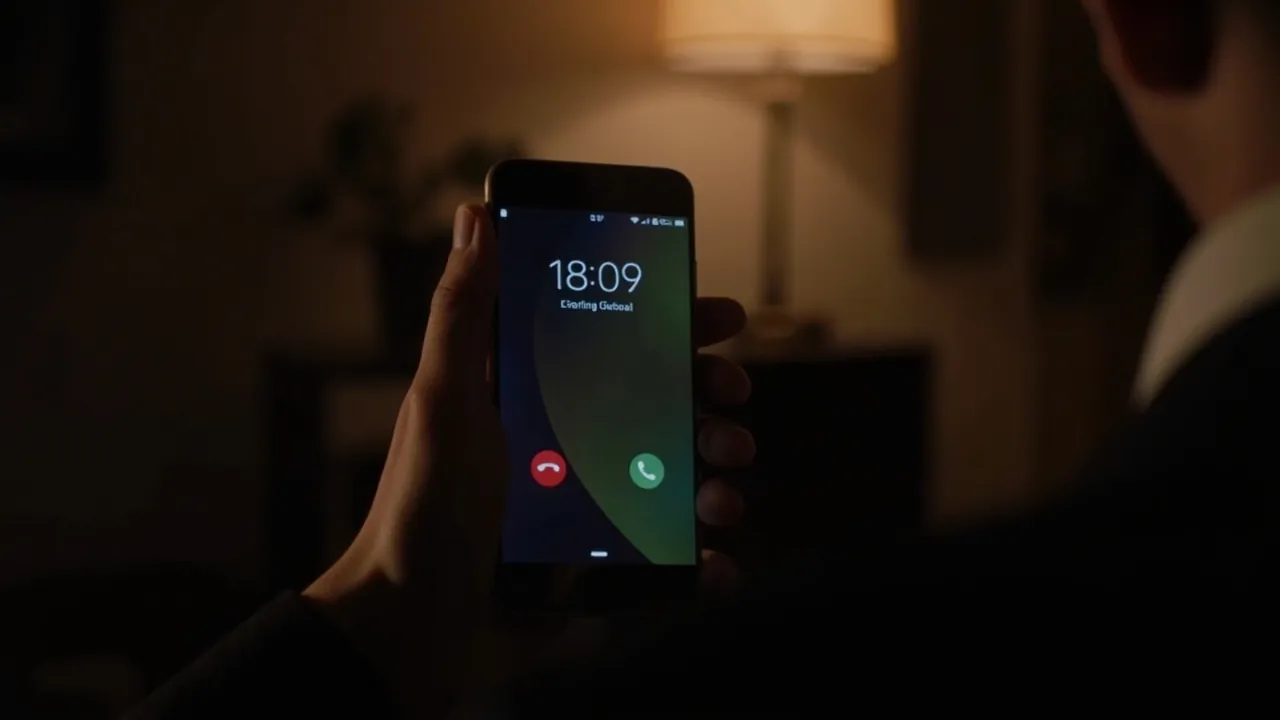
3. Customers who don't get an answer don't leave a message. When a homeowner with a wasp nest under the porch calls and gets voicemail, they don't leave a detailed message. They hang up and call the next pest control company on Google. The same research from Smith.ai on voicemail abandonment shows 80% of callers who reach voicemail don't leave a message at all. The job is lost before the dispatcher ever sees the missed call notification.
Why do pest control companies miss so many summer calls?
It's the same structural problem every small trade business has, made worse by the season. Three reasons stack up:
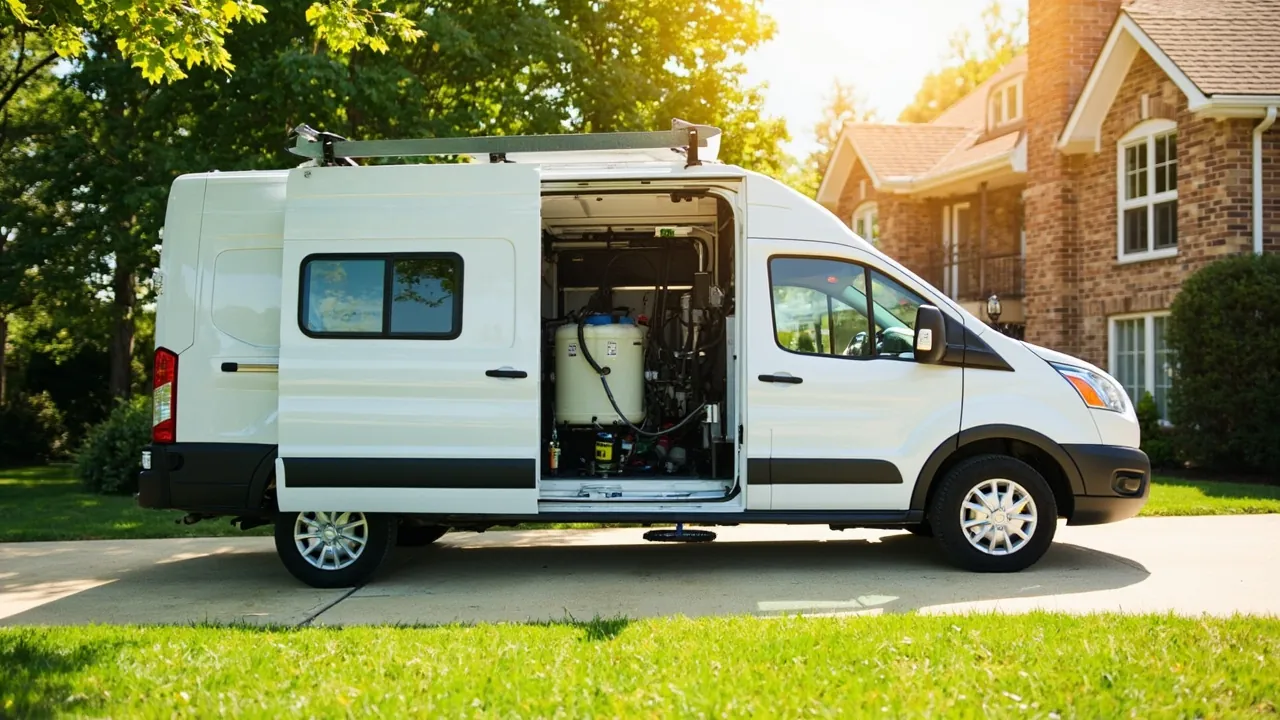
1. Techs are in the field, not by the phone. A two-truck pest control outfit in midsummer runs both trucks six days a week, often into the early evening. The technician in the crawlspace treating a termite job isn't going to pick up a call from a stranger asking for a quote on quarterly service. The technician in the truck spraying for mosquitoes isn't going to take an unscheduled call about wasps. ServiceTitan's research on call booking rates shows residential pest operators with 5-14 techs book between 24% and 59% of inbound calls - the rest go to voicemail, per the company's call booking study. For solo operators and two-truck shops, the rate is even lower.
2. After-hours calls are the highest-value calls. Termite swarms happen at dusk. Wasps build nests all night. Rodents are heard in the attic when the house is quiet. A huge share of pest control calls come in the evening, on weekends, and on holidays - when the office is closed. The NextPhone analysis of 347,000 inbound calls shows 28.5% arrive after hours, and 99% of those reach voicemail, per the company's AI receptionist statistics report. That 28% of calls, applied to a pest control company doing 30 calls a day in summer, is roughly 9 calls a day - or 270 a month - that never reach a human.
3. Bilingual coverage falls off a cliff after 5 PM. In most major US metro markets, a meaningful slice of inbound calls come in Spanish first. NextPhone's data shows about 8% of all inbound service calls are in Spanish. For a pest control company serving a metro market like Houston, Dallas, Phoenix, or Atlanta, that number can easily be 15-25%. If the only Spanish-speaker on staff is the office manager - and she's home by 6 PM - every Spanish call after 6 PM goes to voicemail. The homeowner in Houston with wasps in the garage at 8 PM doesn't leave a voicemail. They call the next company on the list.
Citation capsule: The U.S. pest control industry is on track to exceed $13 billion in revenue in 2026, per ServiceTitan's pest control industry data - up 6% year over year, driven almost entirely by residential service demand in the Sun Belt. That growth is a tailwind for every small operator in the market. The question isn't whether the calls are coming. The question is whether you're going to be the one to answer them.
What changes when an AI receptionist picks up the phone?
Let's walk through a real summer afternoon at a hypothetical two-truck pest control company in Plano, Texas. The owner, Carlos, runs the business with his wife and two techs. He averages about 35 calls a day in May, and that number is climbing toward 50 in July. Before VoxPro: a forwarding number that rang the office line during business hours and went to a generic voicemail after 6 PM. The voicemail was checked the next morning, and the response time on a callback averaged 6-8 hours.
After VoxPro: the same forwarding number, but the AI receptionist answers first. It picks up in under two rings, in English or Spanish, 24/7. It identifies what the caller needs and routes the call into one of four buckets:
| Scenario | What the AI does | Time to dispatch |
|---|---|---|
| Emergency (termite swarm, wasp nest, rodent in living space) | Texts the on-call tech immediately, offers to stay on the line, and books a same-day or next-morning slot directly into PestPac or ServiceTitan | Under 2 minutes |
| Quote request (quarterly service, one-time treatment, WDI inspection for real estate) | Books a 20-30 minute site-visit slot, texts the customer a confirmation with the tech's name and ETA | Under 3 minutes |
| Existing customer / reschedule / billing | Pulls up the account, handles the change, sends updated text confirmation | Under 2 minutes |
| Spanish-speaking caller, any of the above | Handles the entire intake in Spanish, then dispatches in English to the tech | Under 3 minutes |
Notice what's not on that list: leaving a voicemail. The AI doesn't drop into a generic mailbox. It engages, classifies, captures, and routes. If the customer explicitly asks for a human, the AI can warm-transfer to Carlos or his wife in the middle of the call.
This pattern isn't hypothetical. The ServiceTitan Superior Plumbing case study (a different trade but the same call-flow problem) shows an AI voice agent hitting 80% booking rate as a frontline call taker with only a 30% escalation rate, per the Superior Plumbing success story. The mechanics translate directly: a fast, friendly voice picks up, asks the right questions, and books the job. Most callers don't need (or want) a long human conversation - they need their problem acknowledged, a time on the calendar, and a confirmation text.
Citation capsule: "If we can improve call booking rates by 10%, that typically means we can also increase revenue by about 10%, and often means we can actually increase profit by more than 10%," says Ara Mahdessian, CEO of ServiceTitan, in the company's webinar recap on AI voice agents. For a two-truck pest operator doing $600K in revenue, a 10-point booking rate lift can mean $60K in new top-line work in a single summer - without adding a single truck, a single tech, or a single dispatcher.
What's the real ROI for a pest control company using AI?
Let's run the actual numbers, because this is where it stops sounding like a feature list and starts sounding like a budget conversation.
Carlos's pest control company was averaging about 35 calls per day in May 2026. Of those, 14 were missed (40% miss rate, mostly after-hours and weekend calls). After turning on the AI in mid-May, the miss rate dropped to roughly 4% - most of the remaining misses are now spam, wrong numbers, and the occasional caller who hangs up before the AI can answer. That's 10 additional answered-and-booked calls per day.
| Metric | Before AI (April) | After AI (June) |
|---|---|---|
| Daily inbound calls | 35 | 42 (call volume rose with better pickup) |
| Missed calls per day | 14 | 1-2 |
| Call booking rate | 38% | 79% |
| Jobs booked per month | ~285 | ~398 |
| Average ticket | $285 | $340 (more emergency + larger jobs) |
| Estimated monthly booked revenue | $81,225 | $135,320 |
| Lift vs. baseline | - | +$54,095/month |
The cost of the AI: roughly $250/month for Carlos's call volume, including bilingual support and 24/7 coverage. The math is the math. For every dollar Carlos spent, he booked $216 in additional work in month one. The AI paid for itself in the first 5 hours of operation.
More importantly: emergency jobs are sticky. A homeowner whose wasp emergency is handled at 9 PM on a Saturday becomes a quarterly service customer the next week. A property manager whose 22-unit call is answered on the first ring signs an annual contract. The ROI isn't just the emergency job - it's the lifetime value of the customer that the AI captures, that the voicemail was losing.
What should you do about missed pest control calls this summer?
Three things, in order of speed:
1. Measure your miss rate this week. Pull your call tracking data. Count missed calls vs. answered calls for the last 30 days. If you're missing more than 15% of inbound calls in summer, you're leaving real money on the table - and your competitors are picking up faster than you are, every single day.
2. Decide what "after hours" actually means for your customers. A termite swarm doesn't care that it's 11 PM. A wasp nest doesn't care that the office is closed on Sunday. If you can't economically staff a 24/7 human receptionist - and most two-truck shops can't - an AI receptionist is the next best thing. On the data, it's better than most human-only setups, because it never goes to lunch, never puts a customer on hold, and never sends an emergency call to voicemail because it's 2 AM.
3. Test it on a single line for 30 days. Most AI receptionist services, including VoxPro, let you forward calls to the AI for a free trial. Run the math for 30 days - peak summer is the right time to do it, because the call volume is high and the per-missed-call cost is real. Compare the booking rate, the missed-call count, and the actual revenue against your baseline. If the numbers don't make sense, you stop. If they do - and based on what we're seeing across pest, plumbing, HVAC, and roofing - they will, you scale it to your main line.
Carlos didn't fire anyone. He didn't replace his wife at the front desk. He just made sure that every call that came in - in English or Spanish, at 6 AM or 11 PM, on a Tuesday or a holiday weekend - got a real, fast, helpful answer. The result was 14 missed calls a day becoming 1 or 2, and $54,000 in additional booked work in the first month of peak season.
If you run a pest control company, a roofing outfit, a HVAC business, or any trade that lives on the phone, the playbook is the same. See VoxPro pricing or read how it works to see if it fits your shop. Peak season is the most expensive time to keep losing calls. The math is the math.
Sources
- Pest Control Industry Statistics — ServiceTitan, 2026.
- ServiceTitan Call Booking Rate Study: Data on the Trades — ServiceTitan, 2026.
- Superior Plumbing AI Voice Agent Success Story — ServiceTitan, 2026.
- AI Voice Agents & Call Booking Webinar Recap — ServiceTitan, 2026.
- Pest Control Answering Service with 24/7 Live Agents — Smith.ai, 2026.
- Finding the Best Solution to Stop Missing Sales Calls — Smith.ai, 2026.
- Most Professional Way to Answer the Phone for Small Business — Smith.ai, 2026.
- Best AI Answering Service for Pest Control — Smith.ai, 2026.
- AI Receptionist Statistics: 347K Calls Analyzed — NextPhone, 2026.
- National Pest Management Association (NPMA) — Industry trade body, 2026.